
By Harriet Kamashanyu
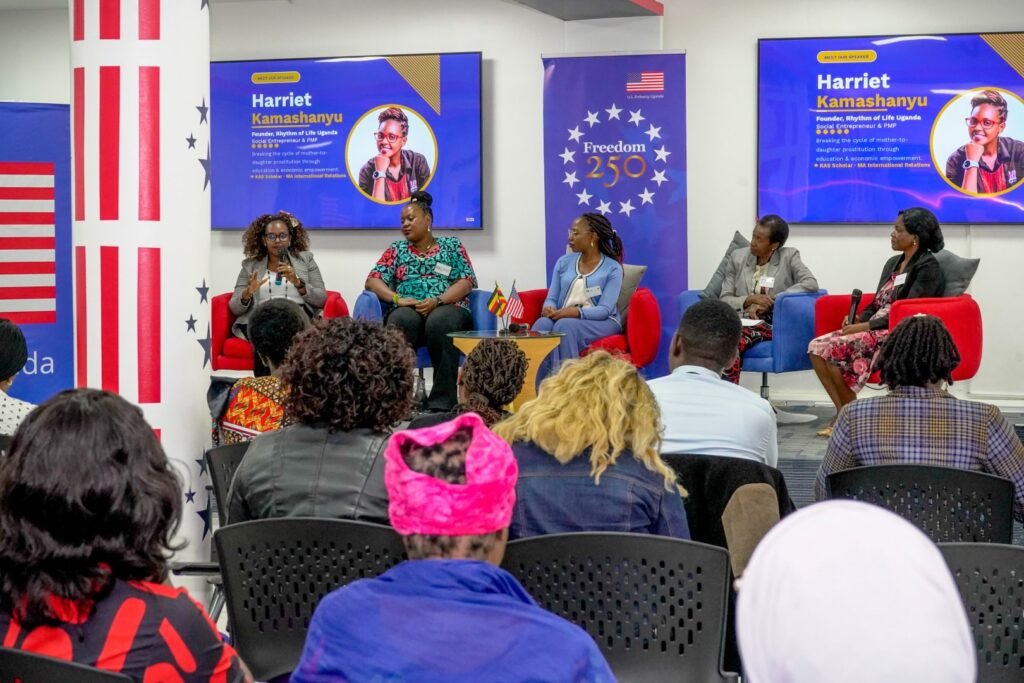
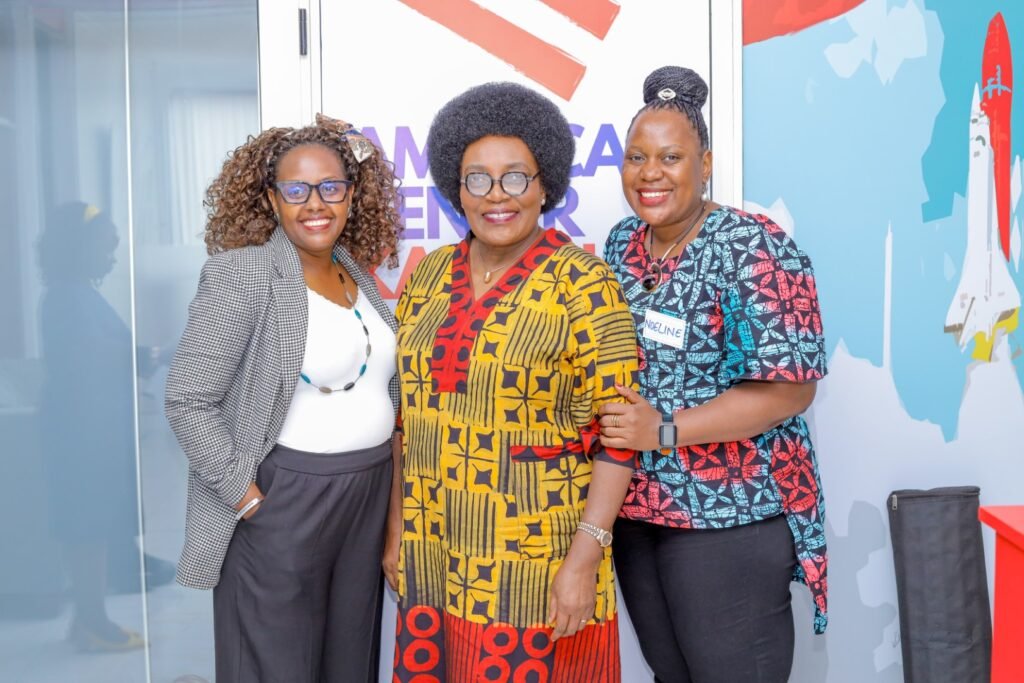
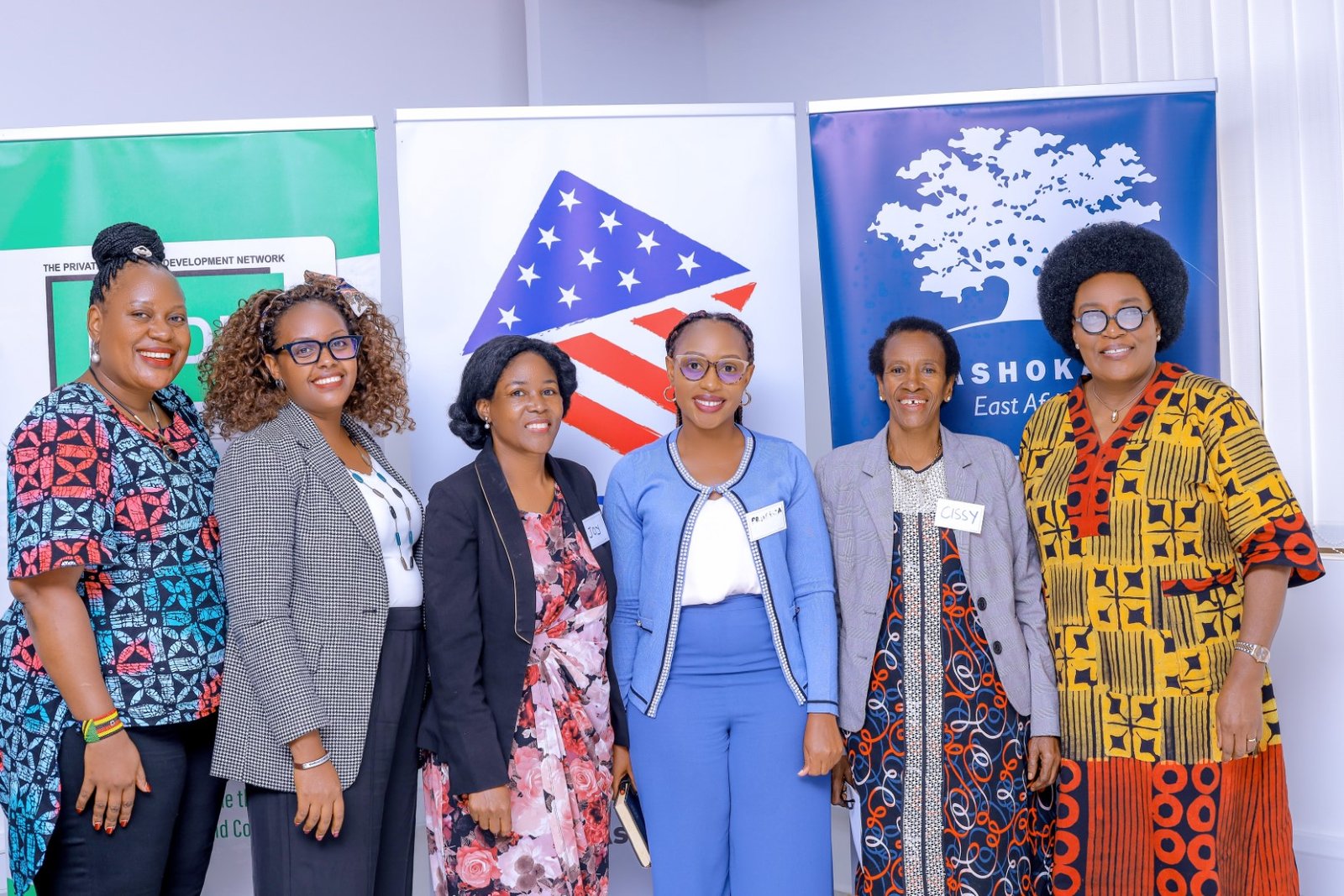
In celebration of International Women’s Day 2026, I had the honor of joining a powerful gathering of women entrepreneurs at the Kampala American Center. Hosted by the Community of Practice (CoP) – Social Innovation, the event—“Catalysts for Change: Women Entrepreneurs Driving Social Innovation”—brought together voices that are not only reimagining solutions but also reshaping communities.
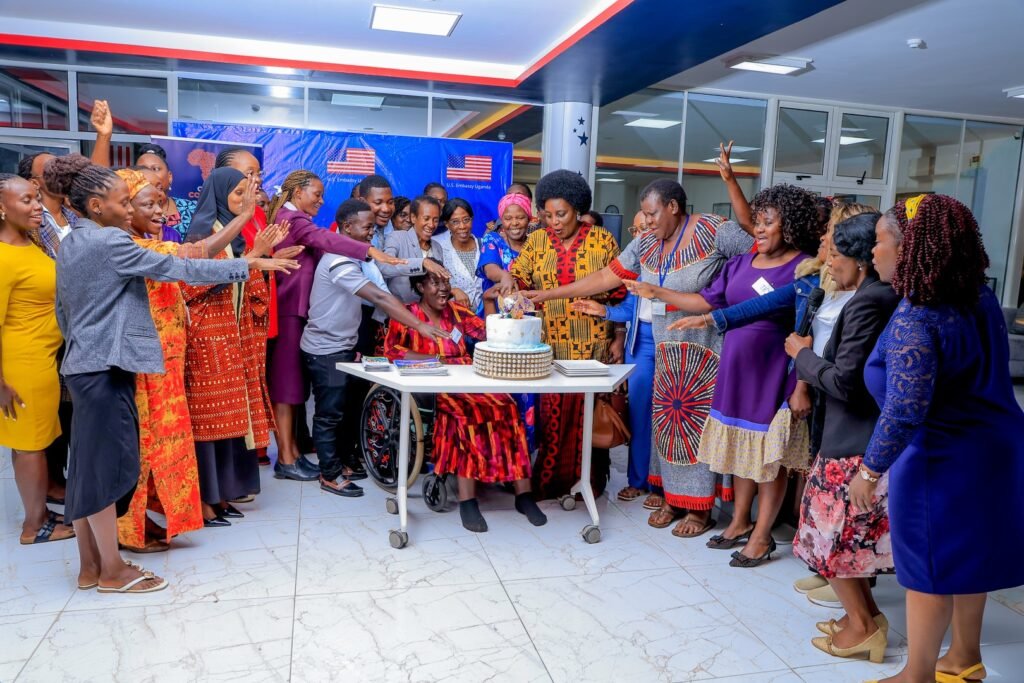
The format was intentionally intimate yet dynamic—fireside dialogue, open reflections, a gallery walk, and side chat rooms. It created space for honesty, vulnerability, and bold thinking. As one of the panelists, I had the opportunity to share my journey as a social entrepreneur and the work we do through Rhythm of Life Uganda.
A Journey Rooted in Community
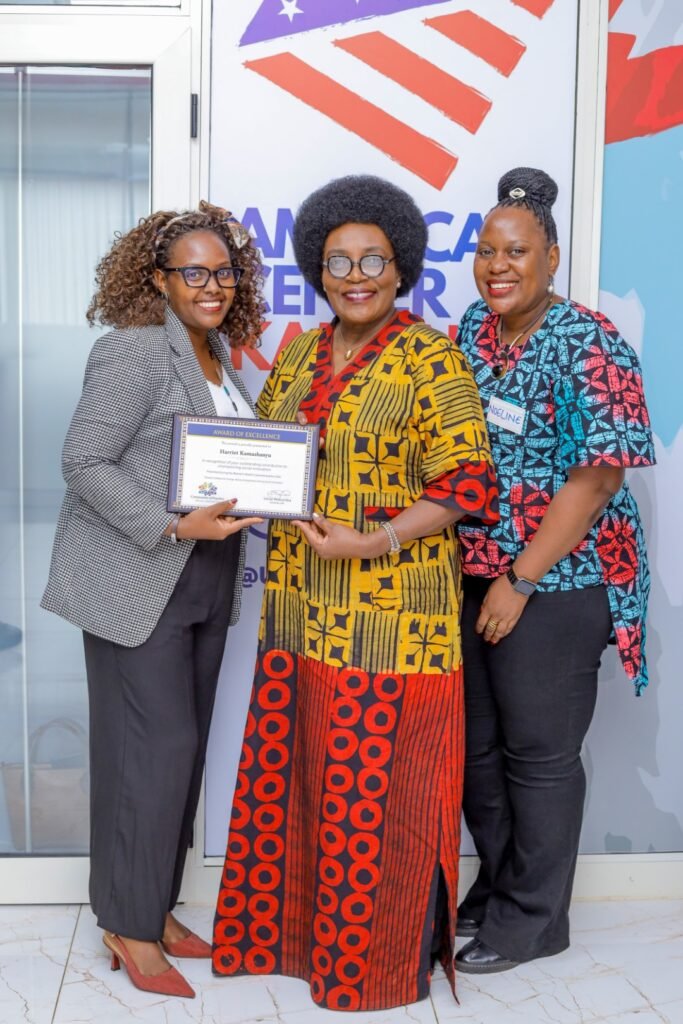
My story is deeply intertwined with the red-light communities we serve—spaces often overlooked, misunderstood, and underserved. Through Rhythm of Life, we have walked alongside women and young people navigating complex realities of vulnerability, limited access to opportunities, and systemic exclusion.
Our approach has always been holistic: combining skills development, health awareness (including sexual and reproductive health rights), and economic empowerment. But more importantly, it is about restoring dignity, building agency, and creating pathways for individuals to reimagine their futures.
During the dialogue, I reflected on how social entrepreneurship, for me, is not just about innovation—it is about proximity. Being close enough to the community to listen, learn, and co-create solutions that are relevant and sustainable.
Innovation that Listens

Social innovation is often framed around new ideas, technologies, or models. Yet, in our context, innovation begins with listening. It is about understanding the lived experiences of the people we serve and designing interventions that respond to their realities.
At Rhythm of Life, innovation has looked like adapting training models for women with unpredictable schedules, integrating mental health support into livelihood programs, and building trust in spaces where institutions have historically failed.
These are not always headline-grabbing innovations—but they are deeply transformative.
The Sustainability Question
One of the most critical conversations during the session centered on sustainability—particularly in the face of shifting philanthropic landscapes.
As funding models evolve, many social enterprises are grappling with uncertainty. Traditional donor funding is becoming more competitive, more conditional, and in some cases, less predictable. This raises an urgent question:
How do we sustain impact in a world where philanthropy itself is changing?
In my reflection, sustainability must go beyond financial survival. It requires us to rethink our models—blending income-generating activities with donor support, strengthening partnerships, and investing in community ownership.
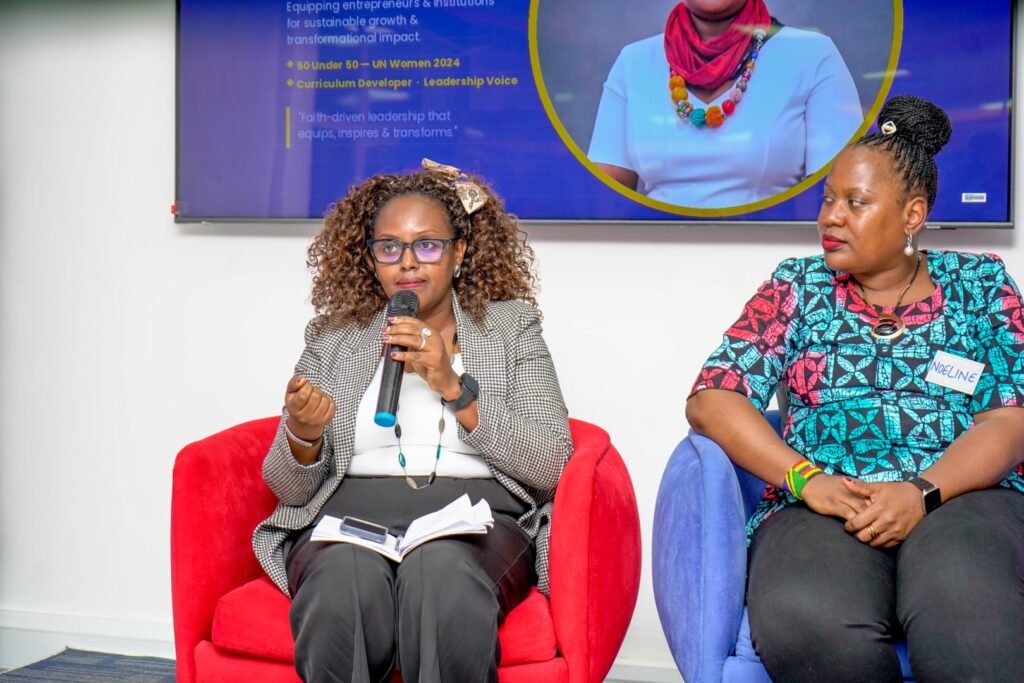
For us, this means exploring social enterprise models that empower beneficiaries not just as recipients, but as contributors and co-creators of value. It also means building systems that can outlive us as founders.
Sustainability, therefore, is both a strategy and a mindset.
Closing Reflections
As we marked International Women’s Day, this gathering was more than a celebration—it was a call to action. Women entrepreneurs are not just participating in social change; they are leading it.
I left the Kampala American Center inspired, challenged, and reaffirmed in purpose. The work continues—but so does the belief that with the right support, collaboration, and courage, we can build systems that are not only innovative, but just and sustainable.
From the red-light communities to global conversations, the journey of social entrepreneurship is one of resilience, hope, and transformation.